When investing in a new shed or carport, a crucial factor that often goes overlooked is the design wind speed. At ShedEx Fleurieu, we emphasise the need for careful assessment tailored to the specifics of your location and purpose. Ensuring your shed withstands local wind conditions is not just a matter of longevity but also safety and compliance.
The Importance of Design Wind Speed
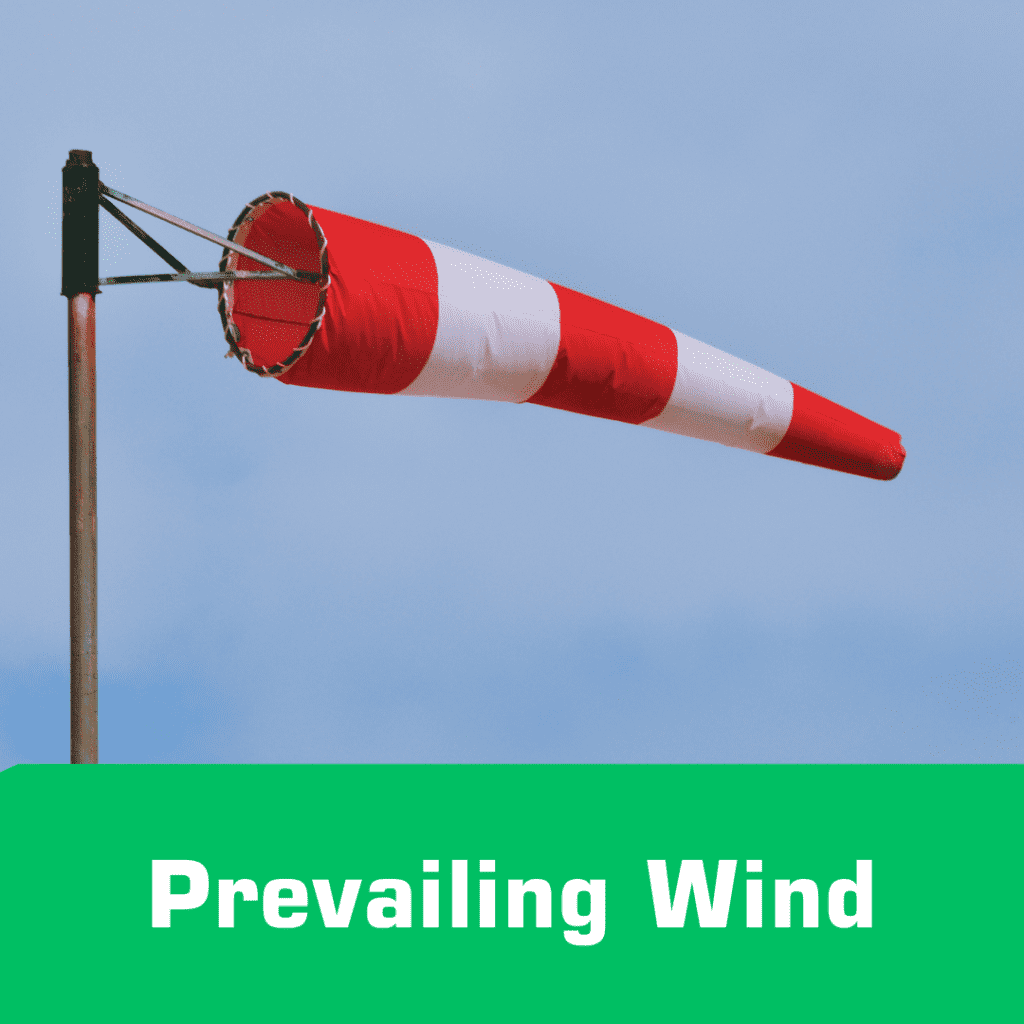
Design wind speed is a technical term used to denote the velocity of wind your shed will need to resist, and it’s a critical part of a shed’s design criteria. This vital specification is expressed in metres per second (m/s) and directly influences how your shed is engineered.
Determining the right specifications
At ShedEx, we follow a thorough process, considering several environmental and situational factors, to assign the correct design wind speed:
- Proximity to the Coastline: We look at how close your property is to the sea since coastal areas can experience more intense winds.
- Extreme Weather Conditions: We evaluate the likelihood of your shed facing severe weather, which includes strong gusts that could compromise its structure.
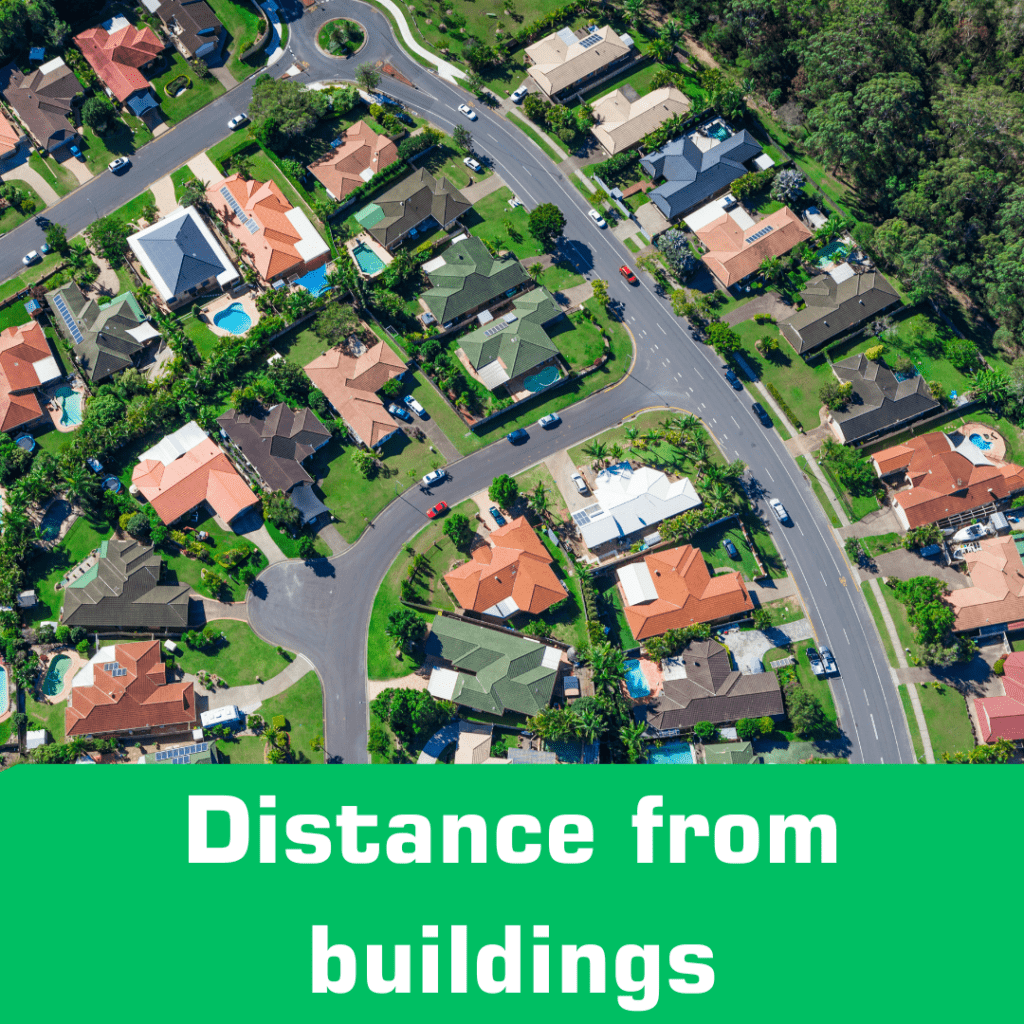
- Surroundings: The general surroundings of your shed’s location, whether it’s suburban, semi-open, or on an open plain, can impact the wind speed it needs to endure.
- Topography: The layout of the land, including hills, slopes, and escarpments, can affect wind patterns around your shed.
- Nearby Structures: Existing structures can either shield your shed from the wind or channel wind towards it, affecting the design wind speed required.


Considering the Purpose and Building Class
What you intend to use your shed for plays a pivotal role in determining the shed’s design. The building class—whether it’s for a commercial workshop or a residential storage shed—varies depending on its intended use and influences how it should be built to withstand wind forces.
Understanding Wind Speed and Structural Strength
The equation is simple: the higher the wind speed your property experiences, the stronger your shed’s construction needs to be. However, if your shed is nestled in a sheltered zone, lighter design parameters may be adequate.
The Role of Licensed Professionals
For those taking the ‘owner-builder’ route, consulting with a licensed builder or building certifier is imperative. They can validate whether the quoted specifications are appropriate for your site-specific conditions.
Compliance and Insurance
It’s not just about durability; a shed that fails to meet local council regulations and the National Construction Code can pose legal issues and might not be covered by insurance.
Avoid Outdated or Misleading Terms
Beware of shed suppliers that use obsolete terms like “W” values (e.g., W41) or house-related terms such as N2 or C2. For clarity and accuracy, always insist that your quote specifies the wind speed in m/s.
Conclusion
Your shed is an investment, and you want to ensure it can bravely face the winds of change—literally. By understanding and applying the principles of design wind speed, you’re not just buying a shed; you’re investing in peace of mind. Trust ShedEx Fleurieu to provide detailed, site-specific assessments that result in a shed that stands strong, no matter the weather.
At ShedEx, we’re committed to guiding our customers through the intricate process of shed selection with transparency and compliance in mind. Remember, when reviewing your shed proposal, the wind speed details on page 2 under “Site Details” are your assurance of a well-engineered structure, tailored to stand the test of time and elements.
Contact ShedEx Fleurieu for tailored advice and reliable shed solutions fit to withstand the fiercest gales.