At first glance, a cheaper shed can look like a win.
The size looks right. The price is attractive. The brochure promises it’ll “do the job.”
But most shed problems don’t show up in year one. They show up later — when the shed is in daily use, when the weather turns, or when your needs change.
That’s when the real cost of a “cheap” shed becomes clear.
1. Cheap materials don’t age well
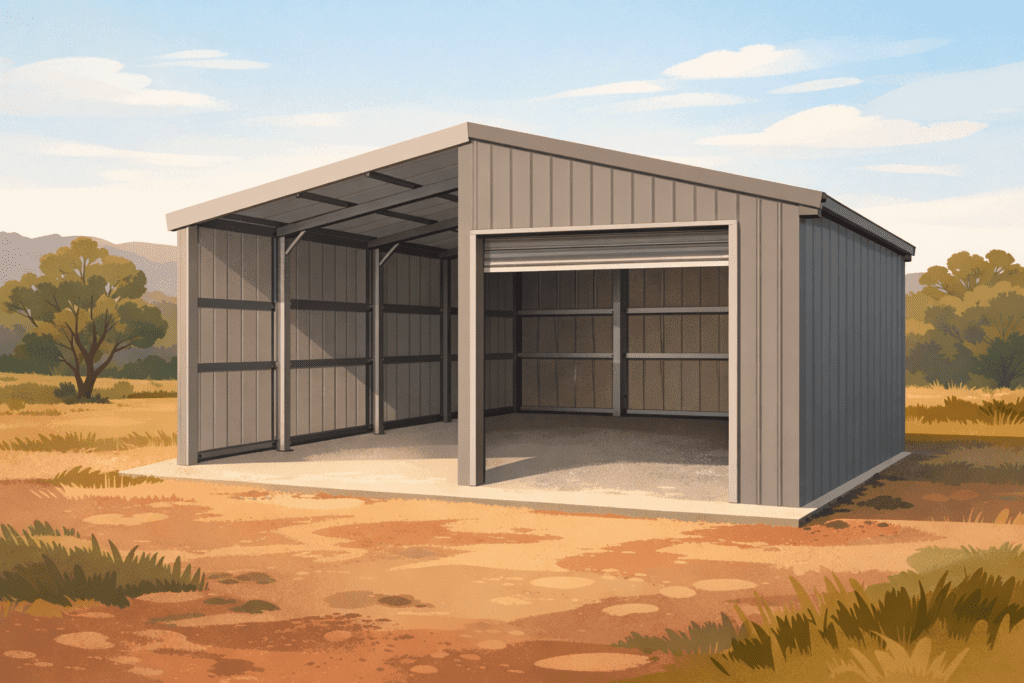
One of the easiest ways to cut costs is by reducing material quality.
Thinner steel, lighter framing, fewer fixings, and minimal protective detailing can all reduce upfront price — but they also reduce lifespan. Over time, this shows up as corrosion, movement, rattling, and premature wear.
A shed doesn’t need to look impressive on day one. It needs to still be performing years later.
2. Engineering gets replaced with assumptions
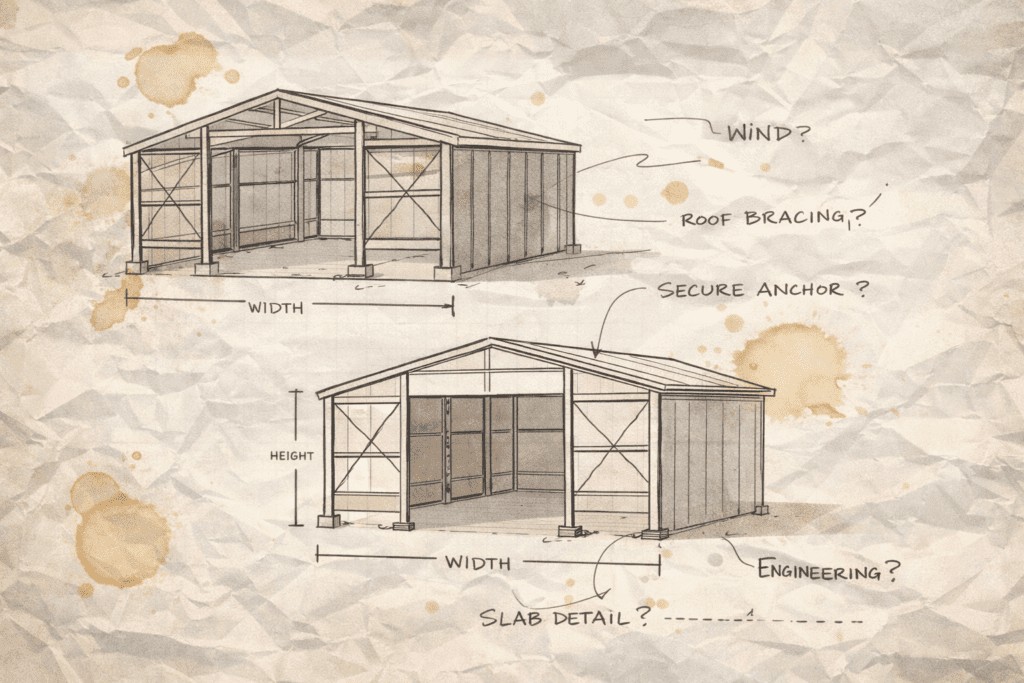
Proper engineering isn’t always obvious — which is why it’s often where corners are cut.
When engineering is reduced or standardised to suit “most situations,” sheds are more vulnerable to wind, site conditions, and long-term structural stress. The shed may stand, but it’s often working harder than it should.
Engineering isn’t about overbuilding. It’s about building correctly for the site.
3. Slab shortcuts become permanent problems
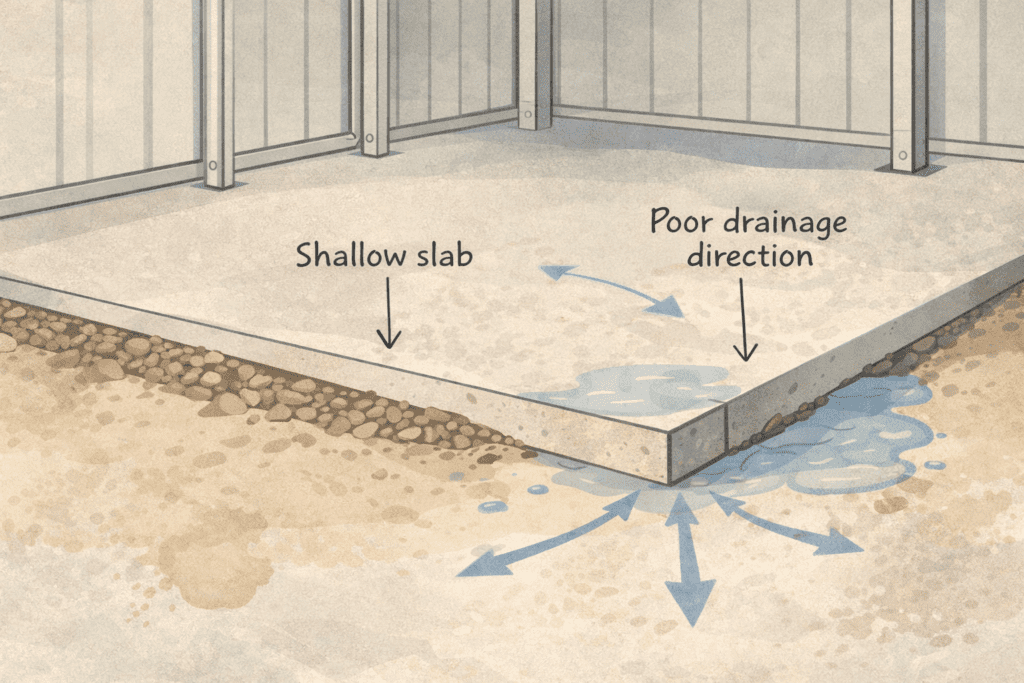
The slab is one of the most expensive things to fix — because once it’s done, it’s done.
In cheaper builds, slabs are often treated as a separate item or designed to minimum standards. Poor drainage, insufficient thickness, or incorrect integration with the structure can lead to cracking, water issues, and movement over time.
A shed is only as good as what it sits on.
4. Insulation and detailing are the first things removed
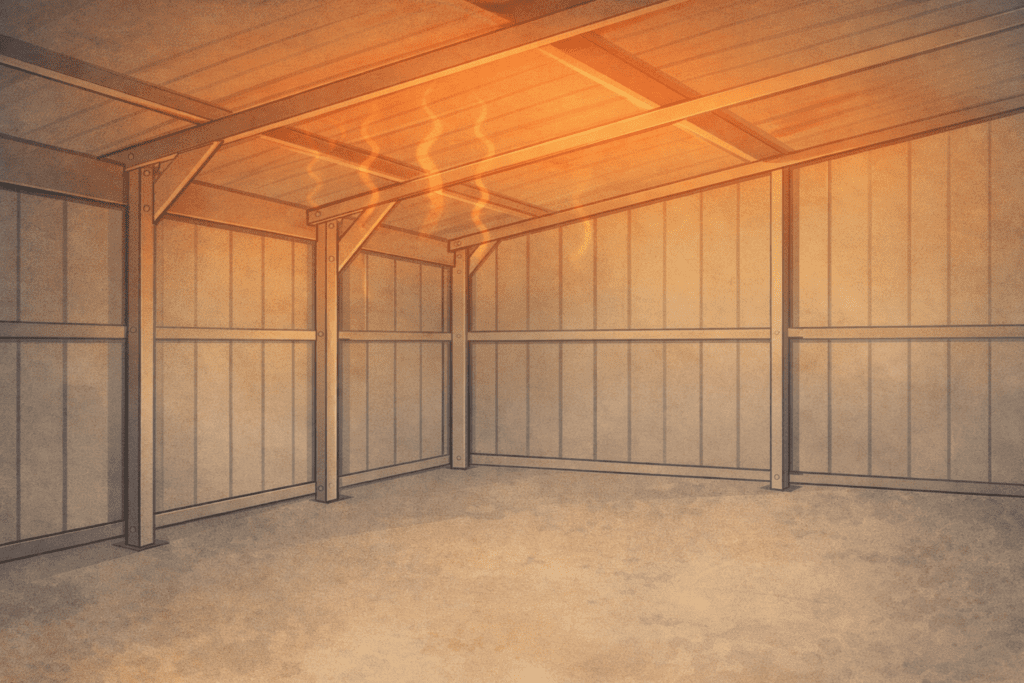
Insulation and vermin flashing don’t always feel essential — until you live with the consequences.
Poor airflow can cause heat build-up and condensation. Missing seals allow dust, moisture, and pests inside. These issues rarely appear immediately, but they quietly reduce the usability and comfort of the shed.
The “small things” are usually what make a shed pleasant to use — or frustrating.
5. Supply-only builds shift the risk to you
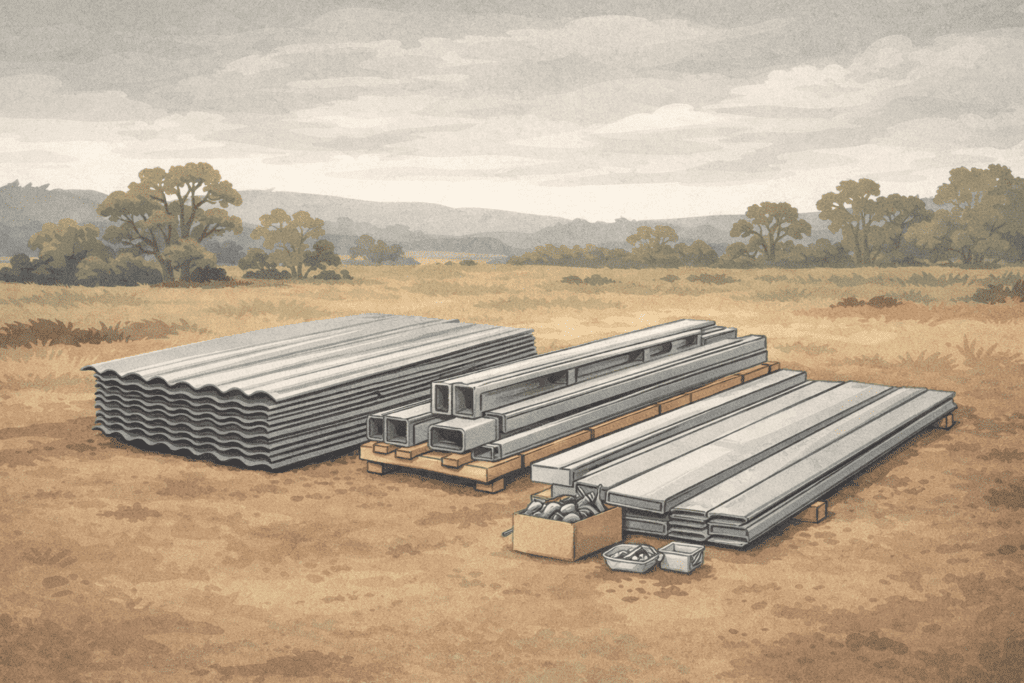
One of the biggest hidden costs in cheap sheds is responsibility.
In supply-only arrangements, materials may be sold without accountability for design, compliance, or construction quality. If something goes wrong later, it’s often unclear who is responsible — and the cost lands with the owner.
When no one owns the entire process, problems fall through the cracks.
6. Repairs, retrofits, and workarounds add up
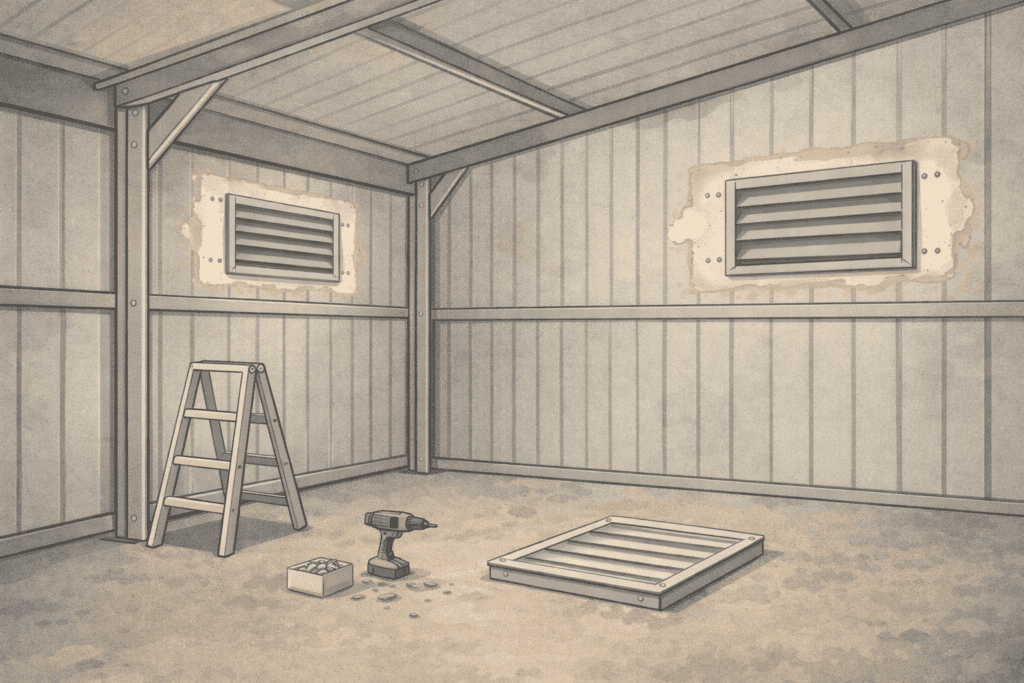
Many people assume they’ll “fix it later” if something isn’t quite right.
In reality, retrofitting height, improving access, fixing ventilation, or correcting layout issues is far more expensive — and sometimes impossible — once the shed is built.
What seems like a saving upfront often becomes a series of ongoing costs and compromises.
The real value is long-term performance
A well-built shed shouldn’t require constant thought, adjustment, or repair. It should simply work — in all seasons, year after year.
The true cost of a shed isn’t what you pay on day one.
It’s what it costs you over its lifetime.
Building it properly the first time is almost always the most economical decision in the long run.
Related reading: see the warning signs of a dodgy shed builder and the shed regrets we hear most often for more on getting it right the first time.