Building a shed sounds simple — until it isn’t.
Most people focus on size and price. Fewer think about how the shed will actually work day-to-day, how it will cope with local conditions, or whether it will still suit them in ten years’ time.
Before you lock anything in, here are the shed planning questions that really matter — and the ones most people wish they’d asked earlier.
1. What will I actually use this shed for — not just now, but later?
It’s easy to design a shed around today’s needs. It’s smarter to think about tomorrow’s.
Will the space evolve?
Will equipment, storage, or work needs grow?
Could access, layout, or power requirements change?
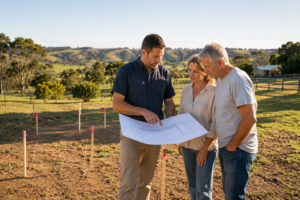
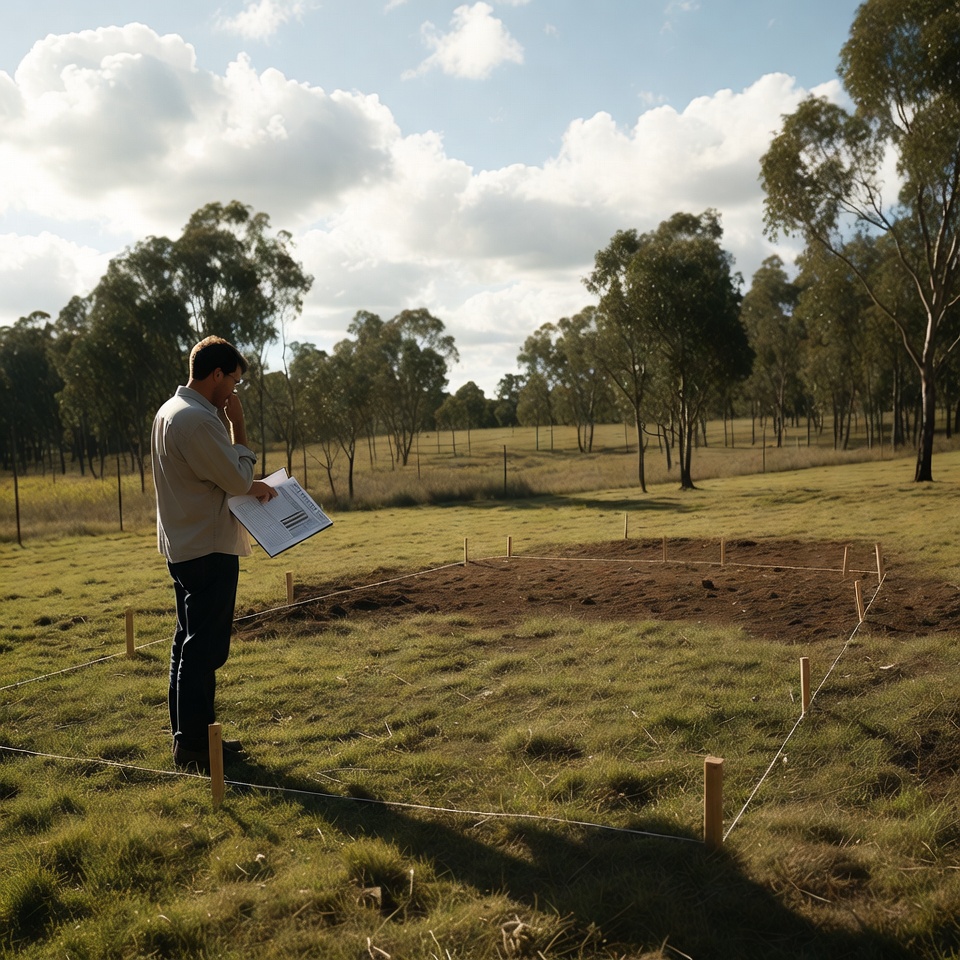
A shed that’s too tightly planned often becomes limiting far sooner than expected. If your plans involve development approval, the SA Government’s PlanSA portal is the place to check current requirements for your council area.
2. Is the shed designed for my location and conditions?
Not all sheds suit all sites.
Wind exposure, salt air, dust, heat, and orientation all affect how a shed performs and how long it lasts. A design that works inland may struggle near the coast. Likewise, a generic layout may not suit sloping or exposed blocks.
If the design doesn’t respond to your site, problems show up later — usually as heat, corrosion, leaks, or premature wear.
3. How will airflow, heat, and condensation be managed?
This is one of the most overlooked questions — and one of the most important.
Poor ventilation can lead to:
- Excessive heat build-up
- Condensation on steel surfaces
- Moisture damage to stored items
- Faster corrosion over time
Good airflow isn’t an upgrade — it’s a core design requirement.
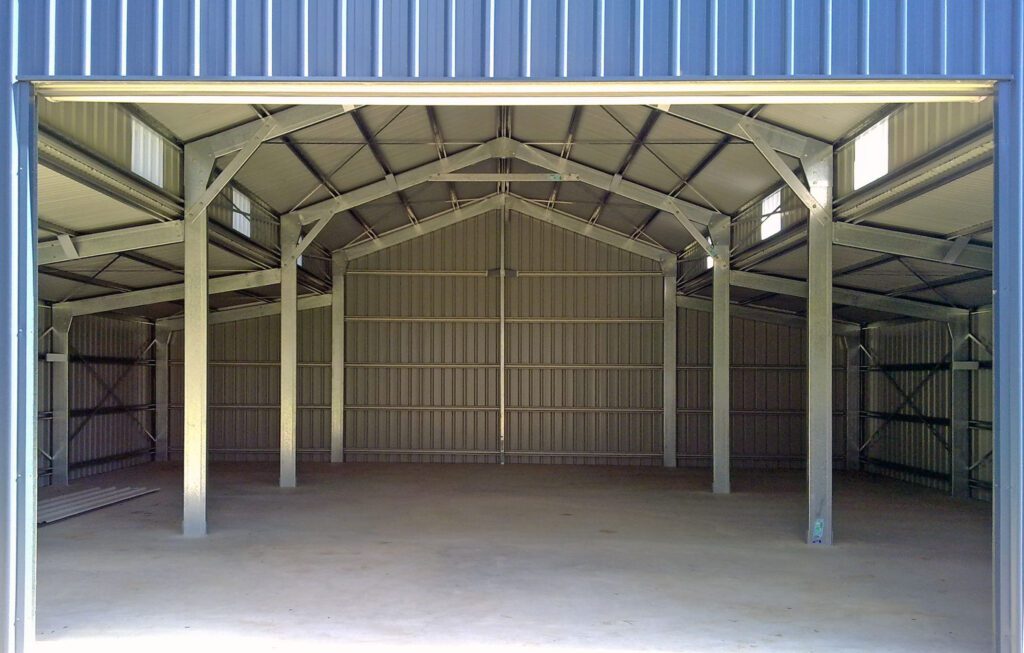
4. Is the slab designed as part of the structure?
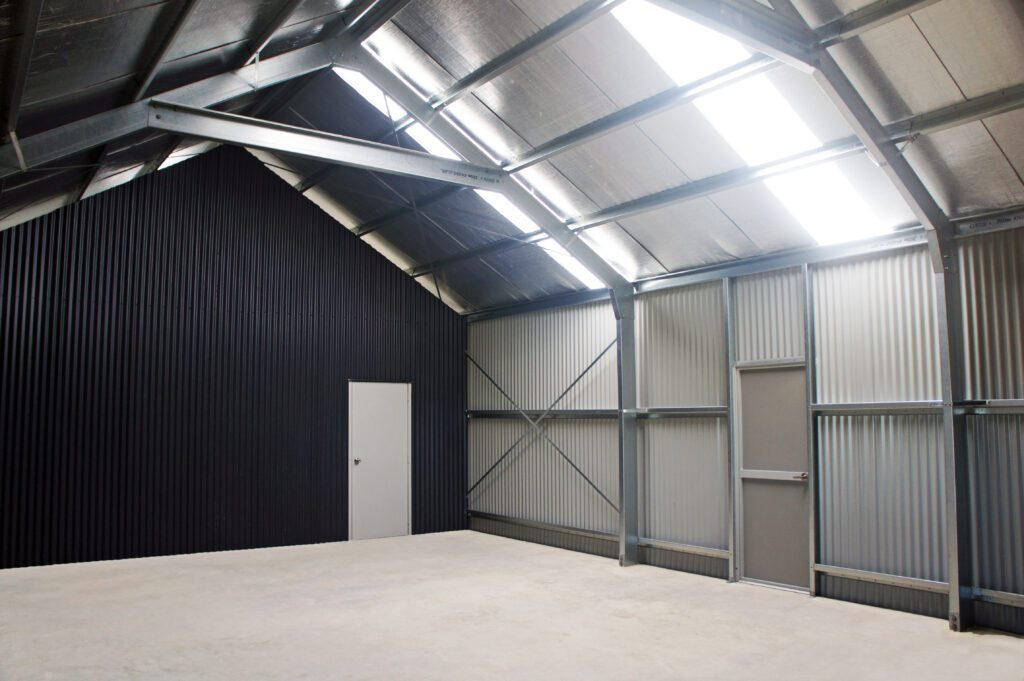
A shed is only as good as what it sits on.
The slab isn’t just a floor — it plays a structural role, manages water, and affects how the entire shed performs. Poor slab design can lead to movement, drainage issues, and long-term defects that no amount of steel can fix later.
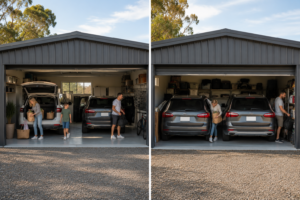
5. Are the doors sized and positioned for real-world use?
Doors look fine on paper. Problems start when you actually try to use them.
Ask yourself:
- Can you comfortably access everything inside?
- Is there enough clearance without tight manoeuvring?
- Will door placement still work if the layout changes?
Roller Door height, width, and location are among the most common regrets after a shed is built.
6. Who is responsible for compliance and approvals?
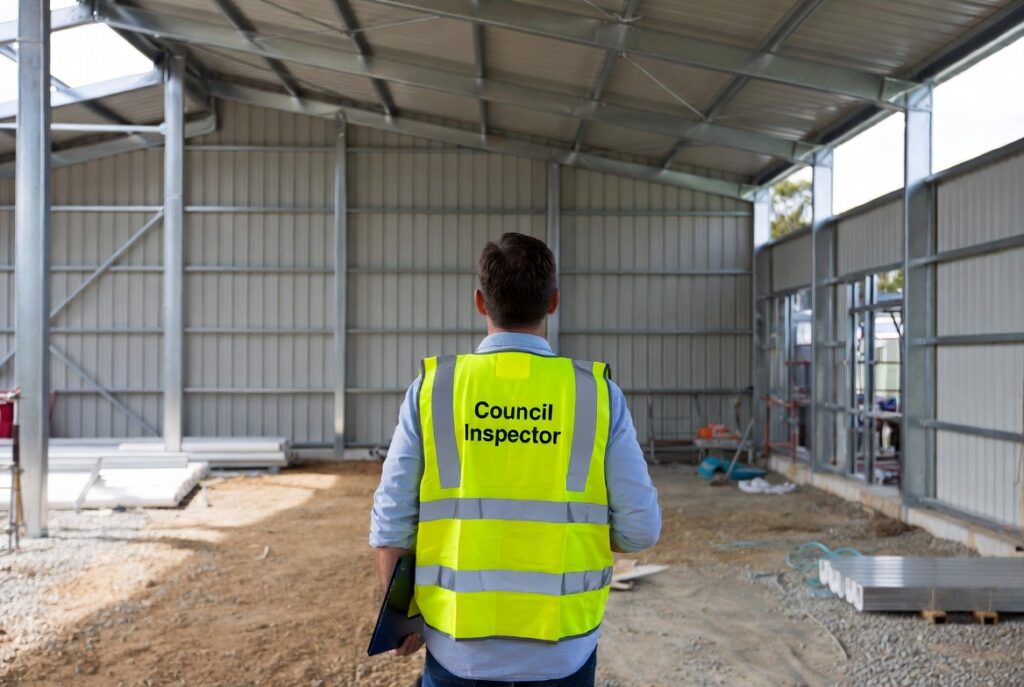
This is where many people get caught out.
Who is handling:
- Council approvals?
- Engineering certification?
- Compliance with building standards?
If this isn’t clearly owned by a licensed builder, the risk often falls back on the owner — sometimes years later.
7. What shortcuts are being taken to hit a lower price?
Cheaper isn’t always cheaper.
Ask what’s being reduced or removed:
- Thinner materials?
- Less engineering?
- Minimal fixings or detailing?
- “Supply only” arrangements with no build responsibility?
Most long-term shed issues trace back to decisions made to shave costs early.
8. Will this shed still work if my needs change?
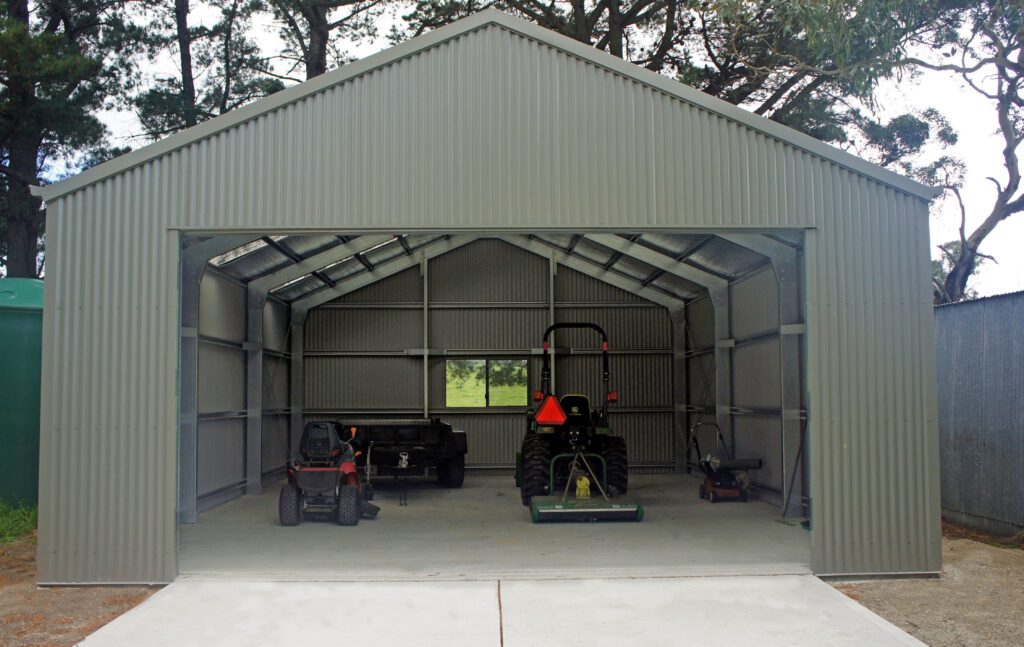
The best sheds allow for flexibility.
Future-proofing might include:
- Extra height
- Wider bays
- Allowance for power, lighting, or fit-outs
- Smarter access and layout planning
You don’t need to build everything now — but you should allow for it.
Build Once. Build It Right.
A shed is a long-term investment, not a disposable structure. Asking the right questions upfront avoids compromises, frustration, and unnecessary costs down the track.
If a shed is going to earn its place on your property, it should work properly, last decades, and adapt as your needs change — not limit them.
If you’re not being encouraged to ask these questions, it’s usually a sign they haven’t been thought through.
Related reading: for the regrets homeowners tell us about most, see the shed regrets we hear over and over again, and before you sign anything, check the warning signs of a dodgy shed builder.