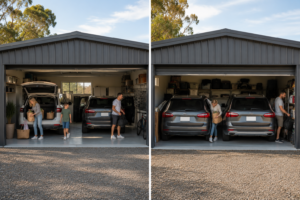
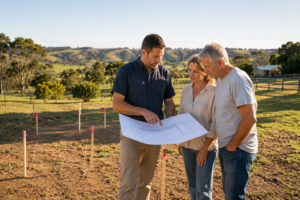
Most shed regrets don’t show up on day one.
They appear months or years later — when the shed is in daily use, the weather has tested it, or needs have changed. By then, the fix is often expensive or impossible.
After years of building sheds across the Fleurieu and beyond, these are the shed building mistakes we hear about most often — and what can be done to avoid them. For general consumer guidance on building projects in SA, see Consumer and Business Services SA.
1. “I wish we’d gone taller.”
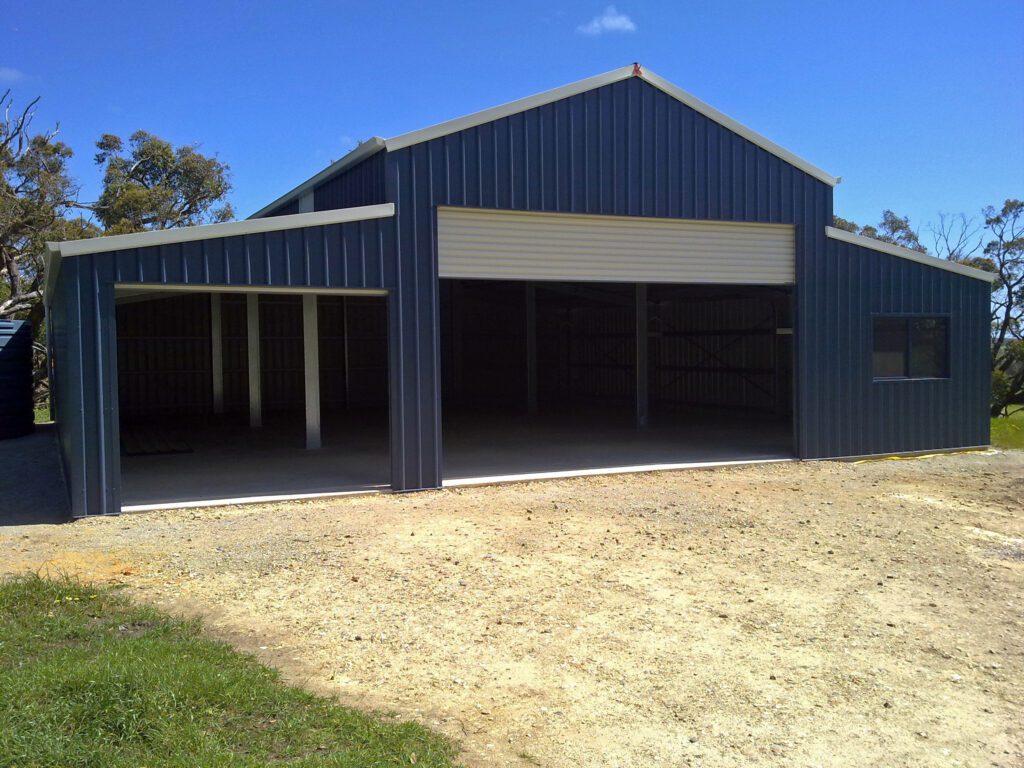
This is easily the most common regret.
Extra height provides flexibility — better airflow, easier access, and room for future changes. Once a shed is built, increasing height isn’t an option.
How to avoid it:
Allow more height than you think you need. Vertical space is one of the cheapest upgrades at design stage and one of the hardest to fix later.
2. “The doors are in the wrong spot.”
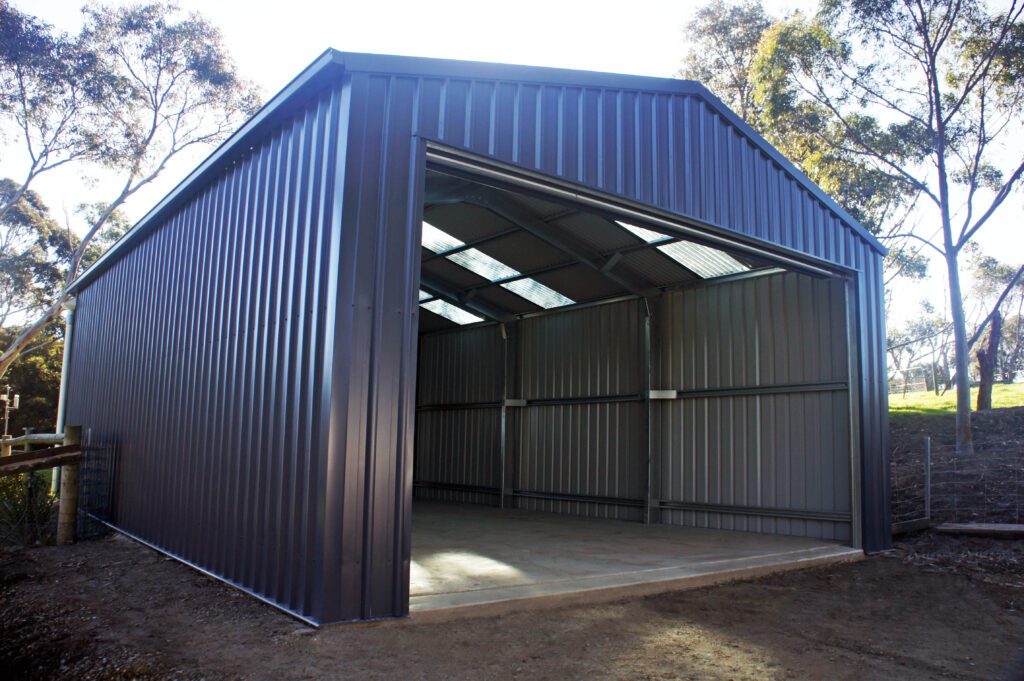
Doors that look fine on paper can be awkward in real life.
Poor placement can limit access, force tight manoeuvring, or make sections of the shed harder to use than intended.
How to avoid it:
Design door placement around how you’ll actually move through the space — not just where they fit on the drawing.
3. “We didn’t think enough about heat and airflow.”
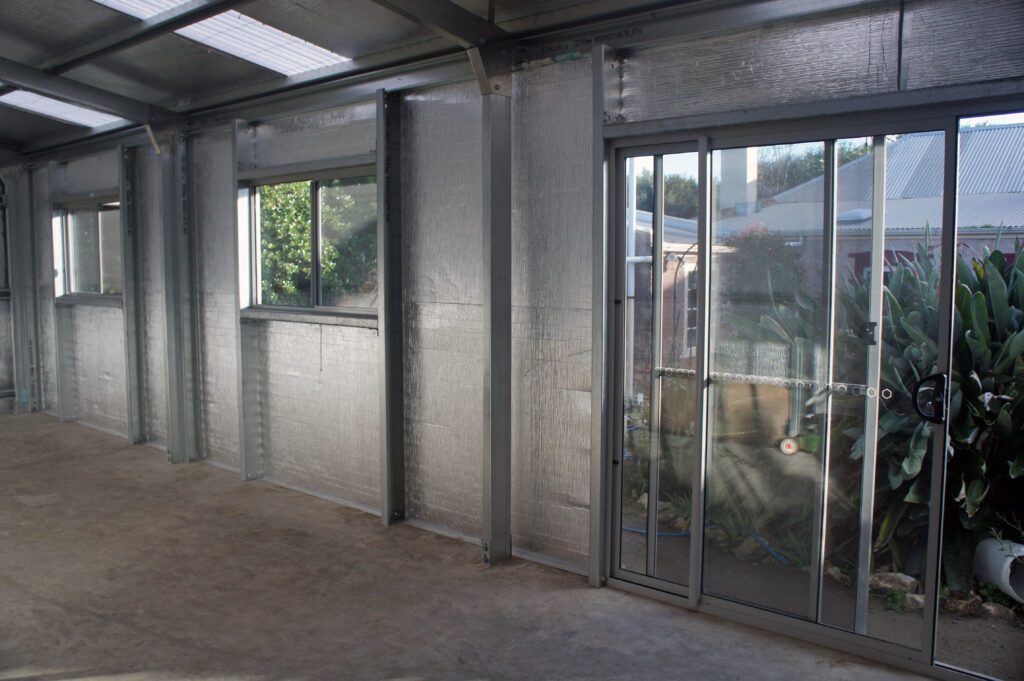
A shed that traps heat or moisture becomes uncomfortable and hard on anything stored inside.
Insulation is often treated as optional, when it should be fundamental.
How to avoid it:
Plan insulation early. Orientation, insulation, and openings should be designed together — not added as an afterthought.
4. “The slab wasn’t designed properly.”
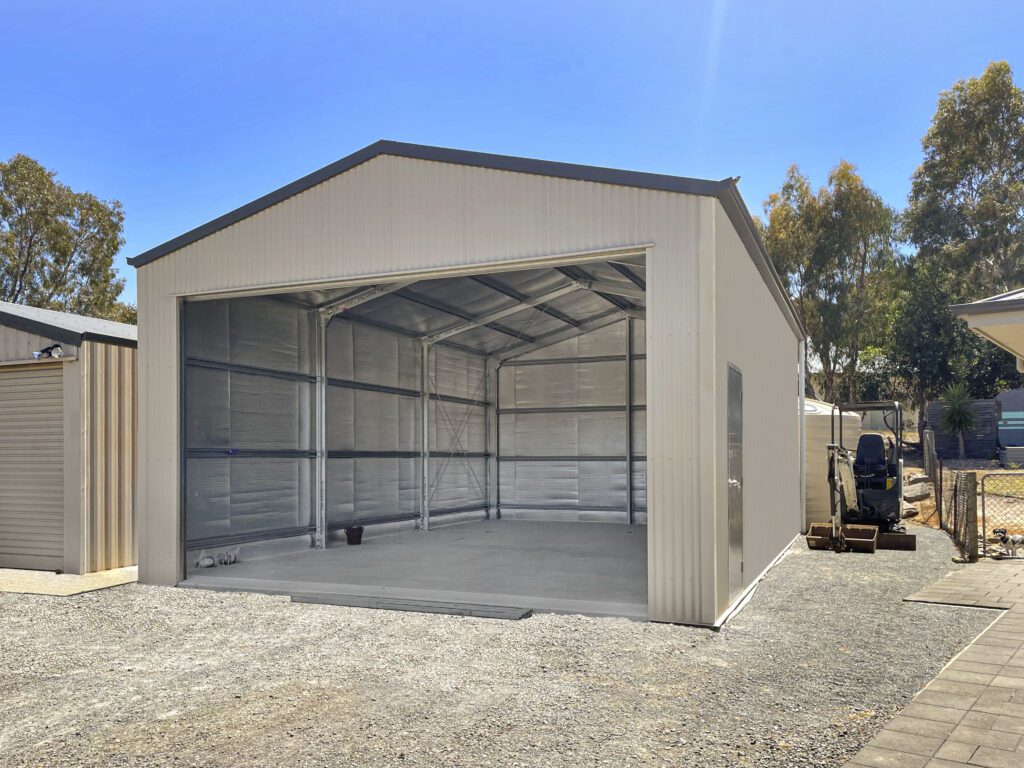
The slab affects drainage, stability, and long-term performance.
A poor slab can lead to water issues, cracking, and movement that no amount of steel can correct.
How to avoid it:
Treat the slab as part of the structure, not just a surface. Proper design upfront saves ongoing issues later.
5. “It was cheaper… until it wasn’t.”
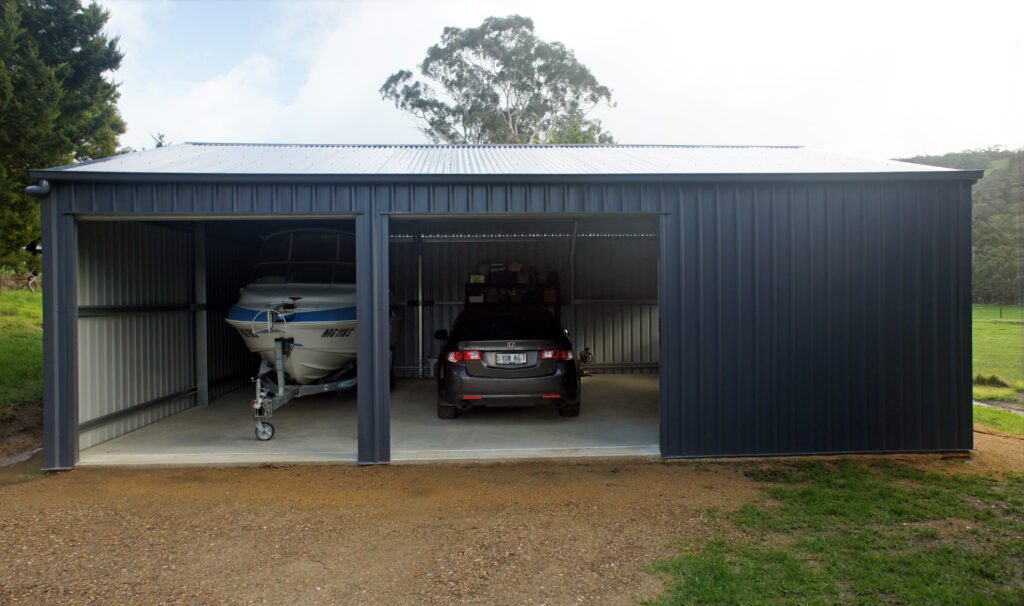
Many regrets trace back to chasing the lowest upfront price.
Cost savings often come from reduced engineering, thinner materials, or limited responsibility — which shows over time.
How to avoid it:
Ask what’s been removed or reduced to reach the price. A well-built shed should still be performing decades later.
6. “We already want to extend it.”
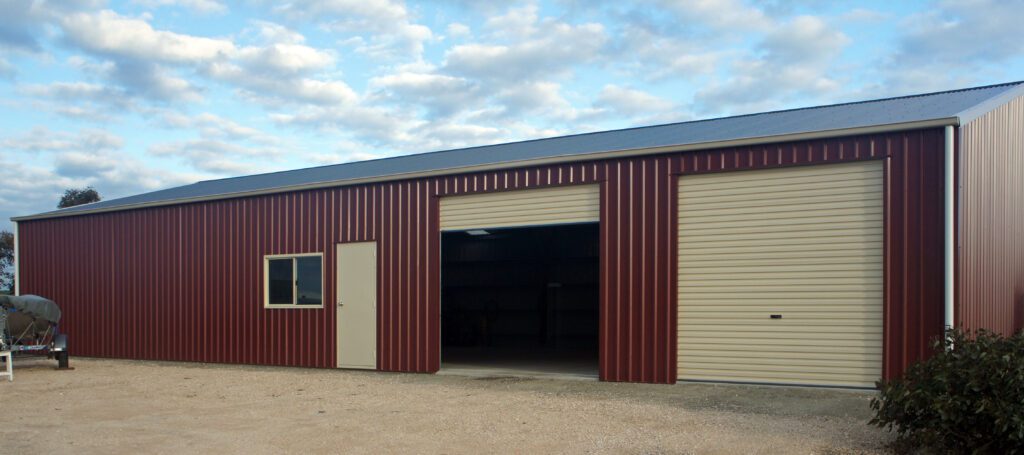
Needs change faster than people expect.
Sheds designed too tightly often become restrictive within a few years.
How to avoid it:
Future-proof where possible. Allow for extra height, clear spans, and layout flexibility — even if you don’t need it today.
Learn From Others — Not From Regret
Most shed regrets are avoidable. They come from decisions made early, when questions weren’t asked or trade-offs weren’t clear.
A shed should make life easier, not harder. It should work with your property, your conditions, and your future plans — not limit them.
If you’re not being encouraged to think about these things before you build, that’s usually the first warning sign.
Related reading: before you build, it’s worth working through the questions most people don’t ask, and knowing the warning signs of a dodgy shed builder.
Further Reading
- Does a shed more than 6 metres from the house still need a BAL rating?
- What does BAL-12.5 — and BAL-19 — actually mean for your shed?
- What’s a BAL rating, and does your shed actually need one?
- Why More Australians Are Choosing to Improve, Not Move
- Two cars, one garage, and a door that won’t fully open. Sound familiar?