Constructing a shed or carport on your property can be an exciting addition, providing extra storage space or shelter for your vehicle.
It’s important to focus on a fundamental yet often overlooked part of the construction process—earthworks. Understanding the earthwork requirements for your shed or carport ensures its longevity and functionality.
The Bedrock of Stability: Why Earthworks Matter

The stability of any structure lies in its foundation, and the same is true for sheds and carports. Appropriate earthwork sets the stage for a sturdy build. It’s a crucial preparatory step that involves several important processes:
Clearing the site
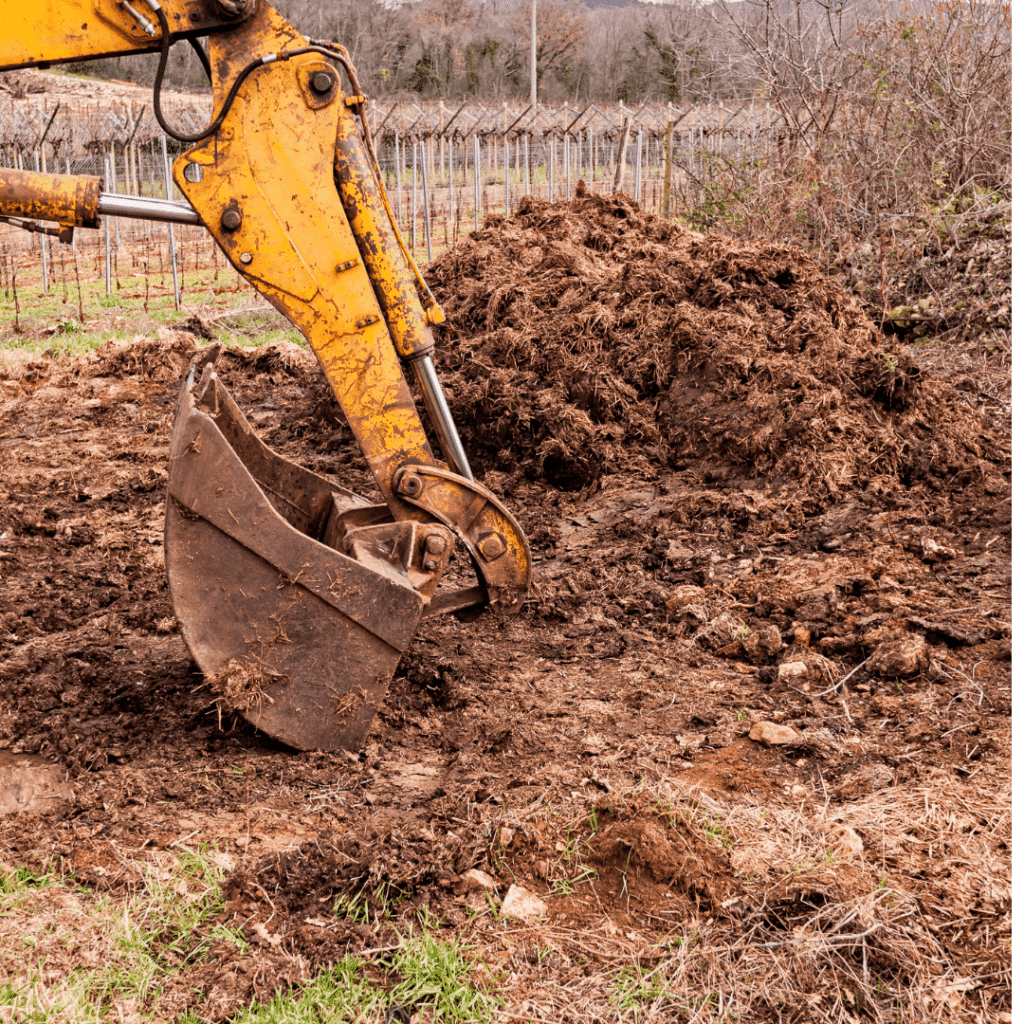
The first step is to clear your chosen site of any existing vegetation, topsoil, and potentially unstable materials. These elements could decompose or shift over time, undermining the foundation of your shed or carport.
Levelling and Compacting the Ground
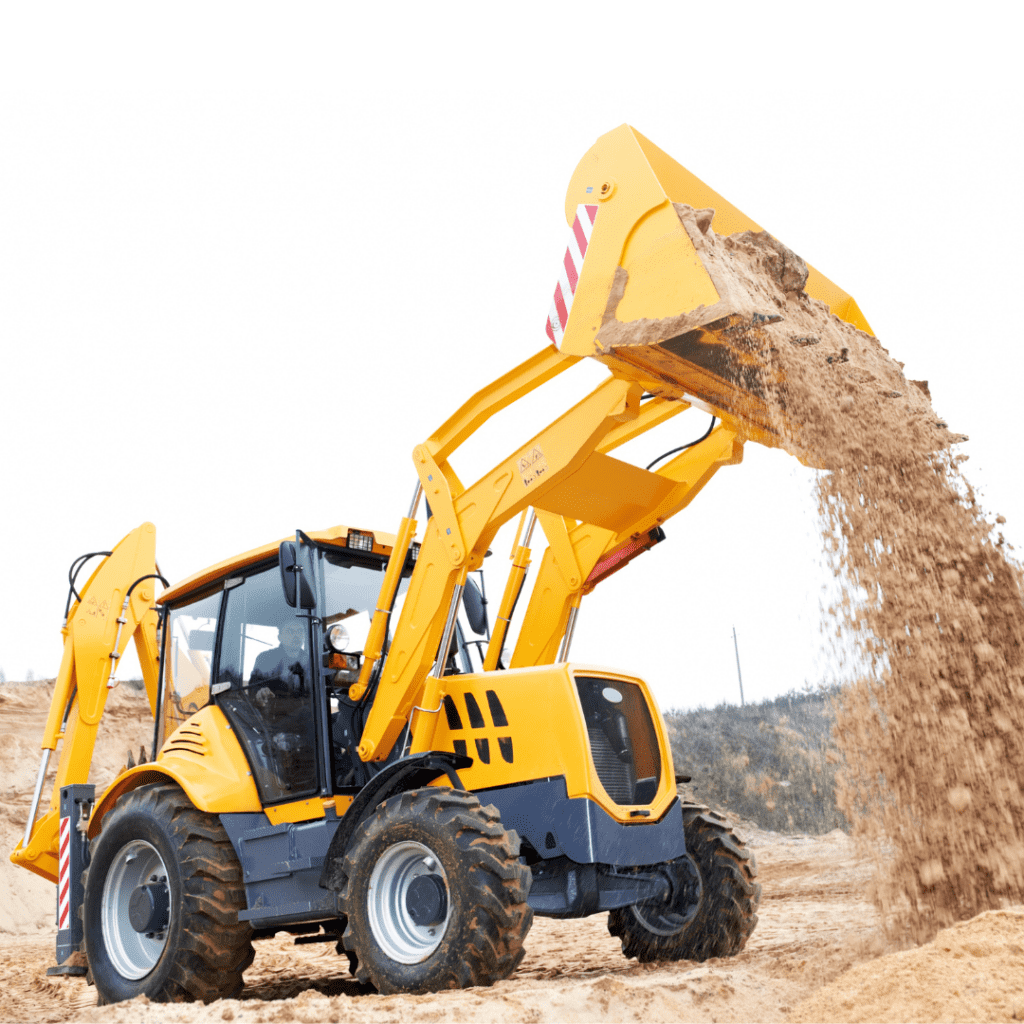
Once the debris is cleared, the next step is ensuring the ground is level. Creating a flat surface guarantees that the weight distribution of your shed is even, avoiding tilt or structural stress.
Additionally, compacting the soil until it’s firm eliminates pockets of air that could cause settling over time.
A compacted ground should meet at least 95% standard compaction—a commonly accepted benchmark in construction.
Managing Water with Drainage Planning
Water management is a critical factor in the construction of outdoor structures. Poor drainage can lead to water pooling around the base, promoting dampness, erosion, and potentially costly structural damage.
Earthworks contribute to effective drainage by ensuring the ground around your shed or carport is graded to slope away from the structure.
Accessibility for Construction
Safety and ease of access for construction personnel and vehicles are additional benefits of proper earthwork. An accessible site helps ensure a smoother build with fewer safety risks and logistical challenges.
Adhering to Specific Earthwork Guidelines
While the earthwork requirements can vary based on your specific needs, there are some general guidelines to follow:
- Your site should have a level and compacted base.
- Allow an extended pad perimeter around the shed—at least 500mm for residential sheds and 3000mm for commercial buildings.
- Ensure proper ground slope for water runoff.
If there’s a need for cut and fill operations over 300mm, consider additional supports like retaining walls. - For deep fills, use similar material to the natural site and compact in layers with the right machinery, this ensures subsoil consistency and reduces settling.
Tailoring to Your Unique Project

Building a shed is not just about putting up walls and a roof; it involves careful site preparation that sets the foundation for everything that follows. By giving proper attention to earthworks, you’re paving the way for a durable and secure addition to your property.
Don’t hesitate to contact a professional or reach out to our team for further assistance on your earthwork needs. With smart planning and expert advice, you’ll ensure that your shed or carport stands strong for years to come.