
What You Need to Know
(and What We Handle for You)
Everything You Need to Know About Earthworks
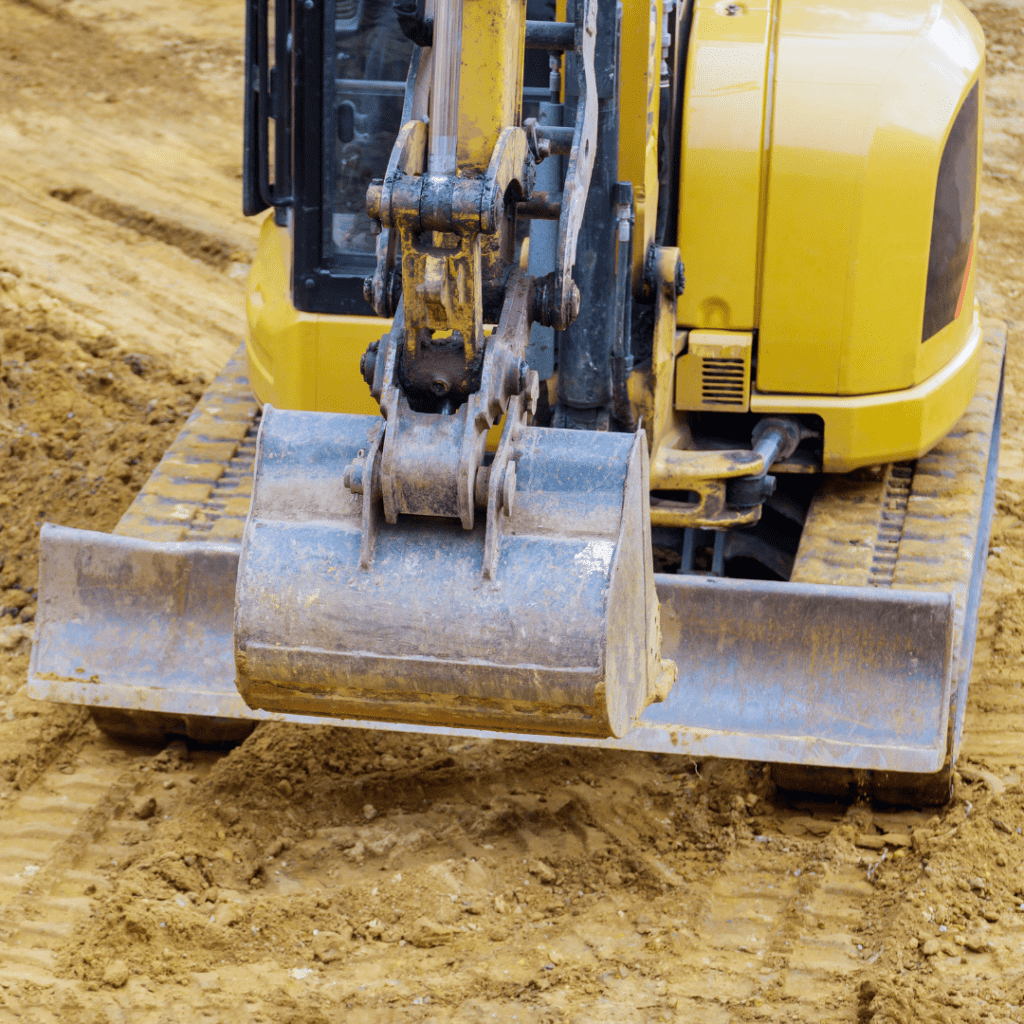
Before any concrete is poured or steel goes up, the ground needs to be prepared properly. Good earthworks are the foundation of a shed that stays strong, dry, and stable for decades. This page breaks the process down in simple, human language so you know what to expect — and what we handle for you.
You don’t need to understand engineering terms or soil preparation. You only need to know that we take care of the lot. The sections below explain each stage clearly so you can feel confident and informed every step of the way.
Proper earthworks are the foundation of a shed that performs like a home. Done well, they keep your slab strong, dry, and stable. Done poorly, they can lead to blown budgets, drainage issues, and structural problems.
- Level, strong slab: Prevents movement, cracking and long-term damage.
- Good drainage: Water flows away from your shed, not toward it.
- Engineering accuracy: Every design relies on correct ground preparation.
- No footing shocks: Accurate levels prevent deep, expensive footings.
- Predictable build: Clean prep keeps timelines running smoothly.
Earthworks aren’t “just dirt-moving” — they protect your investment for decades.
Every site has a natural slope, even if it looks flat. Understanding your levels is the key to preventing surprise footing costs and drainage issues.
What we assess:
- Natural ground fall – the rise and fall of the land.
- Cut and fill needs – lowering high spots or raising low ones.
- Finished pad height – high enough for good water run-off.
- Footing implications – correct levels = lower costs.
Good levels set the tone for the whole build. When the ground is right, everything else becomes more predictable.
Before earthworks begin, we need safe, clear access to your shed site. This helps us start quickly and complete earthworks cleanly and efficiently.
What we need:
- Clear access for machinery.
- Shed footprint free from trailers, boats, firewood, or stored items.
- Safe entry – let us know how to access locked gates.
- Pets secured away from the work zone.
A clear site allows us to begin earthworks immediately and avoids avoidable delays.
The pad is the flat, compacted base your slab sits on — and it’s one of the most important stages of the entire project.
What this includes:
- Cutting high areas to level the site.
- Filling low areas to create balance.
- Compaction to prevent slab movement.
- Final level shaping to meet engineering specs.
- Spoil management – soil can be left onsite, spread, or removed.
A well-prepared pad means a stronger slab, better drainage, and no unexpected footing costs.
Most shed kits are built first and slab poured later. We don’t do that — because it leads to warranty risks, messy finishes, and expensive footings.
We pour the slab first, then build the shed on top — just like a home.
Why slab-first is better:
- No warranty issues from wet concrete touching sheeting.
- Cleaner finish and neater slab edges.
- Better vermin sealing around the entire perimeter.
- Fewer footing surprises and lower long-term costs.
- Stronger, more durable structure.
This method takes more care but delivers a far better result.
A properly shaped pad keeps water away from your shed and stops pests entering from ground level.
Drainage benefits:
- Your shed sits high and dry.
- Water flows away from the slab.
- No pooling or mud after rain.
Vermin protection:
We install vermin flashing between the slab and the frame to help stop:
- mice and rats
- snakes
- dust, leaves, and debris
This keeps your shed cleaner, safer and easier to use.
Getting your site level and accessible in all weather is important to keeping your project on time and on budget. If the earthworks aren’t done properly, or the pad isn’t level, we may need extra concrete on the day — and that extra concrete cost isn’t included in your contract price.
Because concrete trucks, machinery and trailers will soon be accessing the area, we also need all-weather access to your shed site. This simply means vehicles, equipment and materials must be able to move freely and safely across the site, even if it’s been raining.
If you’d like a referral to a local earthmover, please let us know — we’re happy to help arrange it.
If you already have your own earthmover, please make sure they follow the requirements below.
Earthmover Requirements
Before starting
They must have a copy of your approved site plan and confirm all setback distances.
They must complete a Dial Before You Dig check to locate any underground services.
Site clearing
Remove all vegetation, topsoil, organic matter, soft spots, rubble, rocks and boulders within 100mm of the underside of the slab area.
Pad preparation
The cut surface must be compacted to 95% standard compaction.
The pad needs a minimum 50mm compacted sand levelling bed (or an approved equivalent).
The site must be level to within 5mm tolerance — otherwise additional concrete costs will apply.
(We strongly recommend using a bobcat with a laser level.)
Drainage & weather protection
The pad must be shaped so it won’t become extremely wet.
The finished height must allow for proper site drainage, with water directed away from the slab.
Pad size & apron
The pad apron must extend at least 500mm beyond the shed on all sides
(or 3000mm for commercial buildings).The first metre around the shed must fall at least 100mm away from the building.
Cut & fill requirements
If more than 300mm of cut or fill is required, retaining walls or another form of soil retention will be needed.
Fill must extend past the shed edge by at least 1000mm and be properly retained or battered at a maximum slope of 2 horizontal to 1 vertical, and protected from erosion.
Fill and compaction depth limits
Controlled fill is allowed up to:
• 800mm deep for sand
• 400mm deep for material other than sandSand fill must be compacted in layers no more than 300mm thick using a vibrating plate or roller.
Non-sand fill must be compacted in layers no more than 150mm thick using a mechanical roller.
You handle the small things — we handle everything else.
What ShedEx takes care of:
- Site measurements and levels
- Engineering requirements
- Cut and fill shaping
- Pad compaction and preparation
- Drainage shaping
- Spoil management options
- Safety and service checks
- Coordination with concreters and builders
What you take care of:
- Providing access
- Keeping the site clear
- Sharing any known site information
- Deciding how to handle excess soil
This keeps your involvement simple and stress-free.
Earthworks are one of the most important stages in building a shed — and one of the areas where having a builder who handles everything makes the biggest difference.
If you’re planning your project, the next step is simple: book your site visit or request your design and quote.
During your site visit, we’ll:
- take levels
- check access
- assess drainage
- explain your options
- answer your questions
- set a clear path forward
If your project is already underway, our team will guide you through each stage and keep you updated as we move toward your slab pour and construction dates.
We’re here to help you create your own space — without the stress.
Ready to Get Started?
Whether you’re still planning your shed or already working with us, we’re here to make the entire process simple and stress-free. A quick site visit is the best way to confirm levels, check access, and give you clear next steps.
Book your site visit or request a design and quote today.
We’ll explain everything in plain English, answer your questions, and guide you from first sketch to final build — including the earthworks, slab, and complete construction.
Your new shed starts with a strong foundation. Let’s build it right.